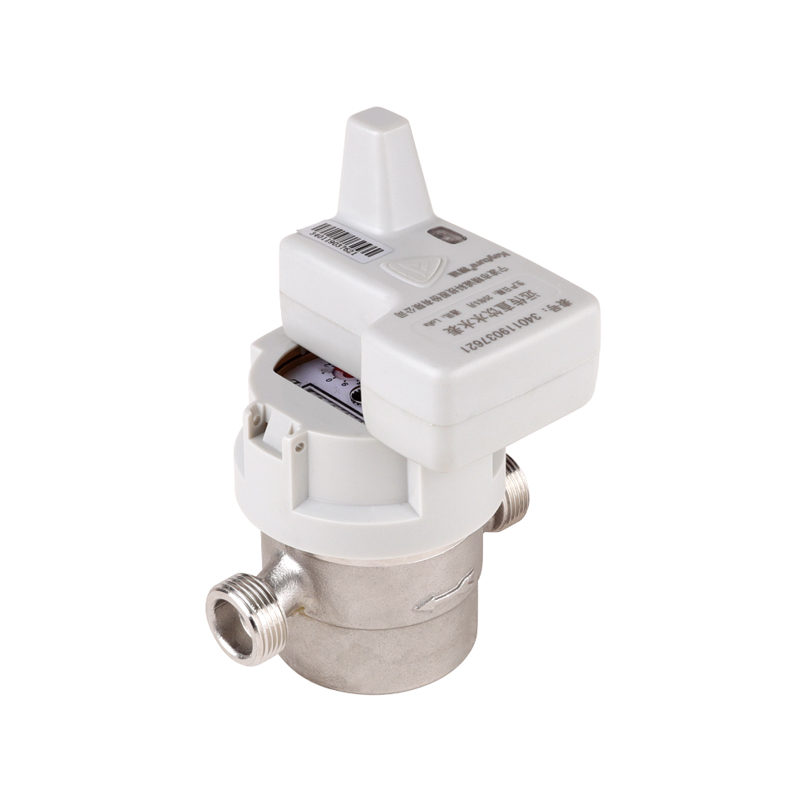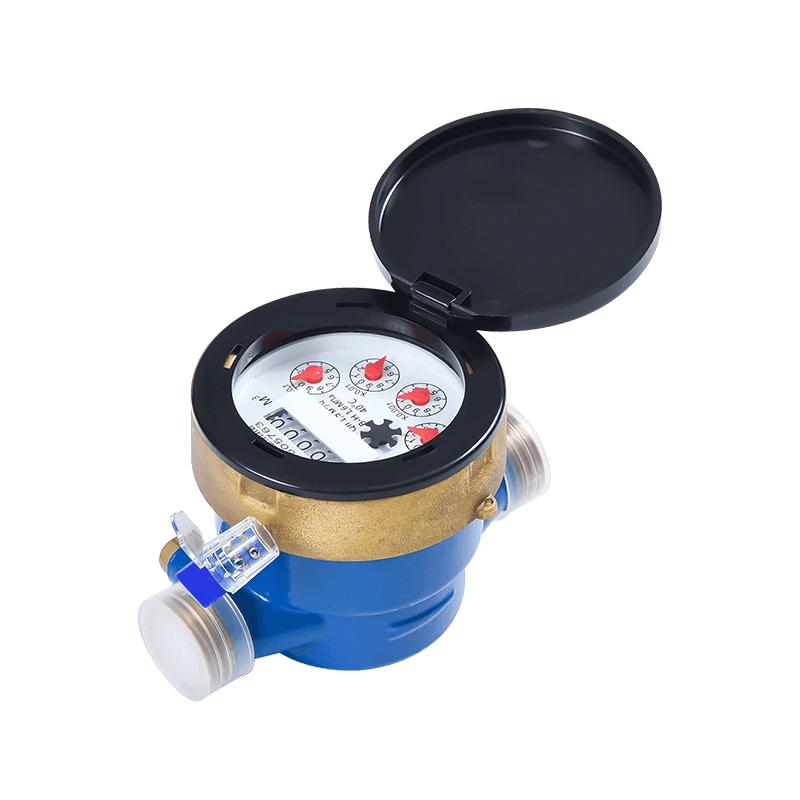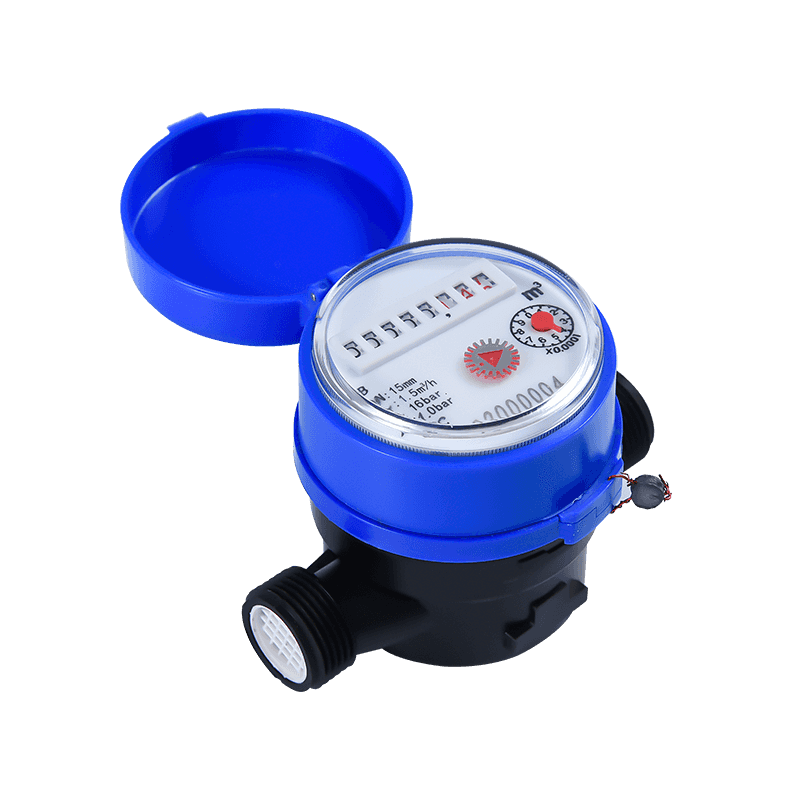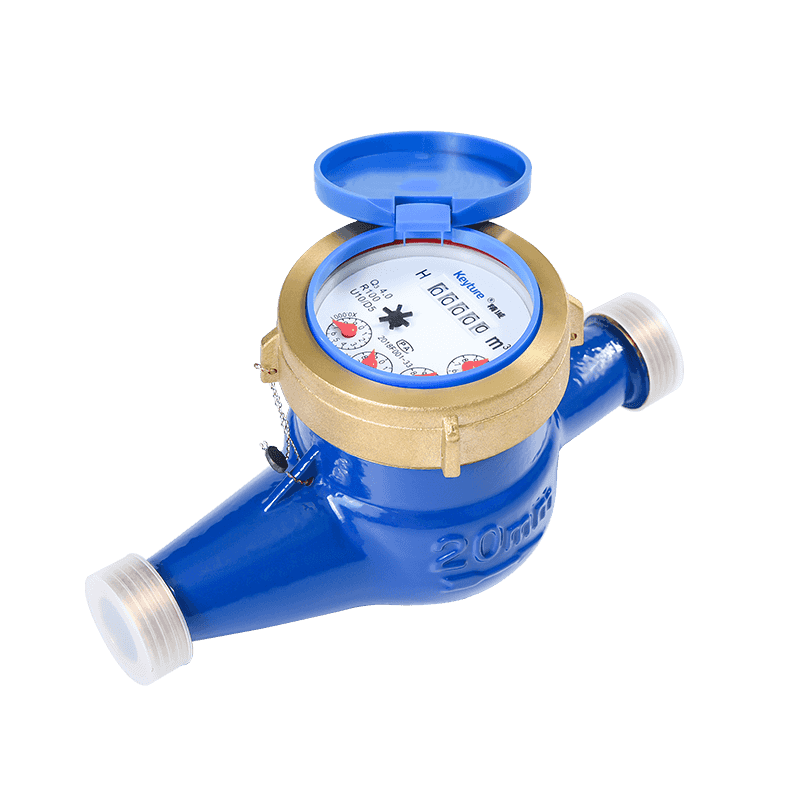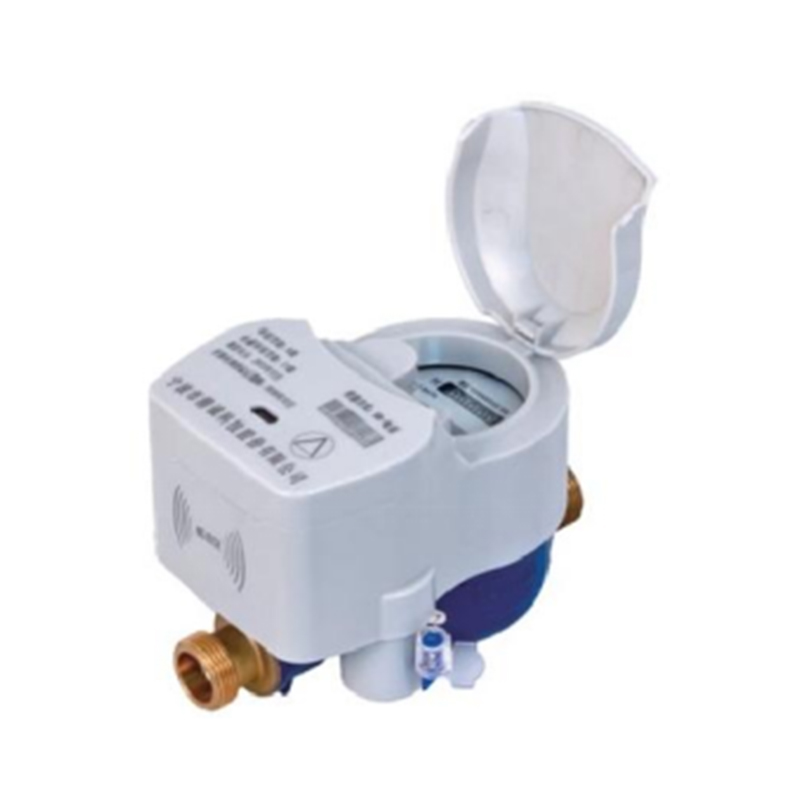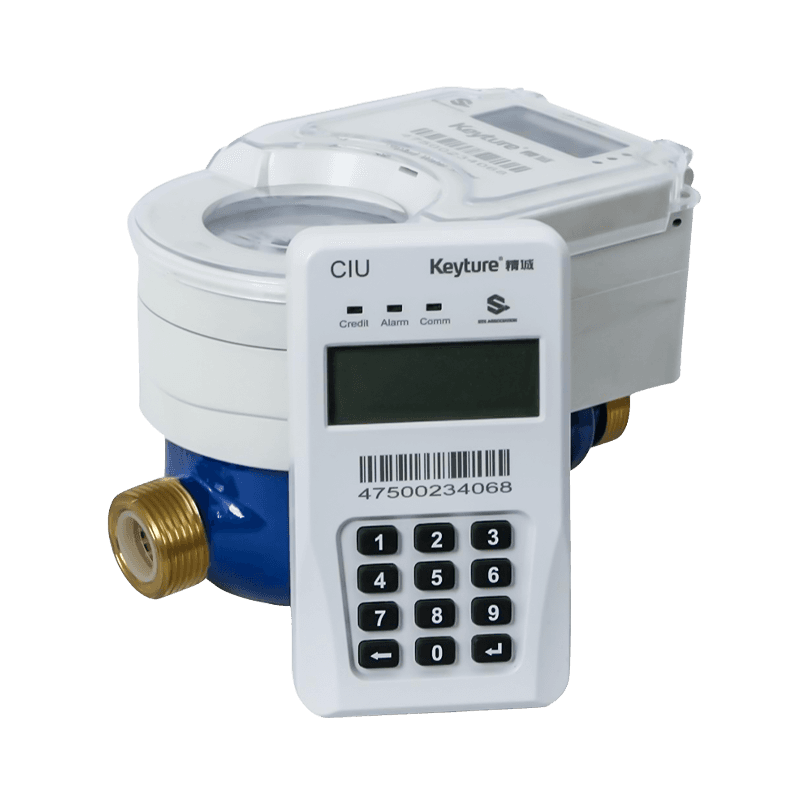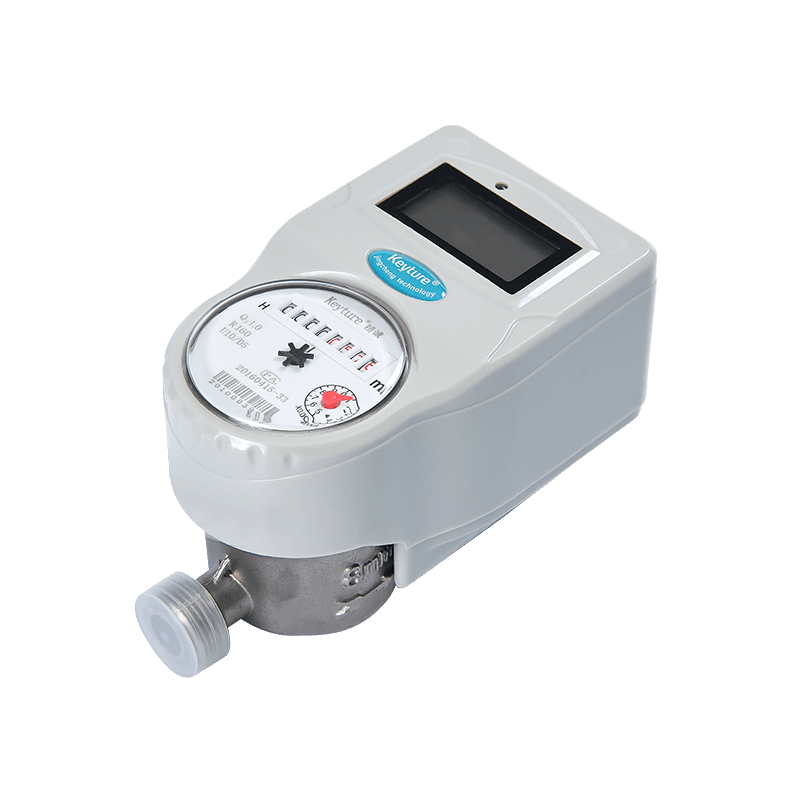



আধুনিক বাণিজ্যিক রিয়েল এস্টেট, আবাসিক অ্যাপার্টমেন্ট এবং বিভিন্ন শিল্প পার্কের নকশা ও ব্যবস্থাপনায়, জল ফি সংগ্রহ এবং অতিরিক্ত ক্ষতি সম্পত্তি ব্যবস্থাপনায় সর্বদা ব্যথার বিষয়। ব্যবহারের প্রথাগত মডেলটি প্রথমে ম্যানুয়াল মিটার রিডিং এবং বিলিং দ্বারা অনুসরণ করা শুধুমাত্র উল্লেখযোগ্য শ্রম খরচই করে না বরং প্রায়শই বিলিং ত্রুটি বা অর্থ প্রদানের বিলম্বের কারণে ব্যবস্থাপনা এবং ব্যবহারকারীদের মধ্যে বিরোধের দিকে নিয়ে যায়। স্মার্ট আইওটি প্রযুক্তির অগ্রগতির সাথে, একটি নতুন গ্রহণ করা ইউটিলিটি সিস্টেম প্রিপেইড জল স্থাপত্য একটি অনিবার্য পছন্দ হয়ে উঠেছে ব্যবস্থাপনা দক্ষতার উন্নতি এবং ডিজিটাল ক্রিয়াকলাপ অর্জনের জন্য।
অনেক বড় আকারের কমপ্লেক্স এবং আবাসিক প্রকল্পের ব্যবস্থাপনার যুক্তি উল্লেখ করে পৌরসভা প্রিপেইড ওয়াটার মিটার তাদের প্রাথমিক পরিকল্পনা পর্যায়গুলির সময়। ঐতিহ্যগত যান্ত্রিক জলের মিটারের জন্য ঘরে ঘরে ম্যানুয়াল রিডিং প্রয়োজন, যার ফলস্বরূপ পিছিয়ে যাওয়া এবং ত্রুটি-প্রবণ ডেটা হয়। পরিচয় করিয়ে দেওয়ার পর প্রি-পেইড ওয়াটার মিটার প্রযুক্তি, সম্পত্তি ব্যবস্থাপনা সম্পূর্ণরূপে নিষ্ক্রিয় "ফি সংগ্রহ" পরিস্থিতি থেকে সরে যায় এবং "আগে রিচার্জ করুন, পরে ব্যবহার করুন" এর একটি সক্রিয় ব্যবস্থাপনা শৈলীতে স্থানান্তরিত হয়।
এই মডেলের মূল সুবিধার মধ্যে রয়েছে:
মূলধন ফেরত নিশ্চিত করা: ব্যবহারকারীদের আগে থেকেই পানির পরিমাণ কিনতে হবে। ভারসাম্য অপর্যাপ্ত হলে সিস্টেম স্বয়ংক্রিয়ভাবে সতর্ক করে এবং শূন্য ভারসাম্যে ভালভ বন্ধ করে, মৌলিকভাবে জল ফি বকেয়া দূর করে।
পাইপলাইন লিকেজ কমানো: ব্যাকগ্রাউন্ড মনিটরিংয়ের সাথে মিলিত, ব্যবস্থাপনা রিয়েল টাইমে মোট মিটার এবং সাব-মিটারের ডেটা তুলনা করতে পারে। ব্যবহার না করার সময় যদি একটি এলাকায় অবিরাম প্রবাহ সনাক্ত করা হয়, তবে সিস্টেমটি সম্ভাব্য নেটওয়ার্ক লিককে অনুরোধ করে।
ব্যবহারকারীর অভিজ্ঞতা বাড়ানো: ব্যবহারকারীরা স্ব-পরিষেবা টার্মিনাল বা অনলাইন প্ল্যাটফর্মের মাধ্যমে যেকোনো সময় তাদের অবশিষ্ট জলের পরিমাণ পরীক্ষা করতে পারেন। খরচের বিবরণ উন্মুক্ত এবং স্বচ্ছ, ম্যানুয়াল অনুমান দ্বারা সৃষ্ট বিরোধ হ্রাস করে।
উপযুক্ত নির্বাচন করার সময় জল প্রিপেইড মিটার সিস্টেম , ব্যবস্থাপনাকে বিভিন্ন প্রযুক্তিগত রুটের হার্ডওয়্যার পরামিতি এবং যোগাযোগ প্রোটোকল মূল্যায়ন করতে হবে। নীচে মূলধারার মধ্যে মূল প্রযুক্তিগত পরামিতিগুলির একটি তুলনা প্রিপেইড ওয়াটার মিটার সিস্টেম, ঐতিহ্যগত যান্ত্রিক মিটার, এবং দূরবর্তী সংক্রমণ মিটার:
| মূল প্রযুক্তিগত পরামিতি | স্মার্ট প্রিপেইড সিস্টেম (মেট্রো প্রিপেইড ওয়াটার মিটার আর্কিটেকচারের উপর ভিত্তি করে) | ইলেকট্রনিক রিমোট মিটার (নন-প্রিপেইড) | ঐতিহ্যগত যান্ত্রিক মিটার |
| কন্ট্রোল কোর | অন্তর্নির্মিত লো-পাওয়ার বৈদ্যুতিক বল ভালভ (অ্যান্টি-লক অ্যালগরিদম) | কোন অন্তর্নির্মিত ভালভ / রিমোট কন্ট্রোল শুধুমাত্র | কোন নিয়ন্ত্রণ ব্যবস্থা নেই |
| যোগাযোগ | NB-IoT / LoRaWAN / STS কোড ইনপুট | এম-বাস/আরএস-৪৮৫/ডায়াল-আপ | ম্যানুয়াল ভিজ্যুয়াল রিডিং |
| বিলিং মোড | রিয়েল-টাইম প্রাক-ডিডাকশন, ধাপে ধাপে মূল্য সমর্থন করে | ম্যানুয়াল নিষ্পত্তি বা সিস্টেম-উত্পন্ন বিল | পর্যায়ক্রমিক ম্যানুয়াল নিষ্পত্তি |
| ব্যাটারি লাইফ | 6 বছর বা তার বেশি (ভালভ ফ্রিকোয়েন্সি সাপেক্ষে) | 8 বছর বা তার বেশি (কোন ভালভ খরচ নেই) | কোনো ব্যাটারির প্রয়োজন নেই |
| অ্যান্টি-টেম্পার | চৌম্বক আক্রমণ অ্যালার্ম, কভার-ওপেন অ্যালার্ম, পাওয়ার ব্যর্থতায় স্বয়ংক্রিয়ভাবে বন্ধ | আংশিক চৌম্বক আক্রমণ অ্যালার্ম | কোন টেম্পার সনাক্তকরণ |
| নির্ভুলতা ক্লাস | ISO 4064 ক্লাস B / ক্লাস C (R >= 100) | ক্লাস B (R=80) | ক্লাস এ/ক্লাস বি |
পরামিতি তুলনা মাধ্যমে, এটা স্পষ্ট যে একটি সত্য প্রি-পেইড ওয়াটার মিটার সমাধানটি মিটারের শেষে স্বায়ত্তশাসিত নিয়ন্ত্রণ ক্ষমতা এবং ডেটা সুরক্ষার উপর আরও ফোকাস করে। এমনকি যদি নেটওয়ার্ক সাময়িকভাবে বাধাগ্রস্ত হয়, তবুও মিটার অভ্যন্তরীণ চিপের ভিতরে অবশিষ্ট ক্রেডিট সেটের উপর ভিত্তি করে সুনির্দিষ্ট পরিমাপ এবং ভালভ নিয়ন্ত্রণ ক্রিয়াকলাপ সম্পাদন করতে পারে।
ব্যবস্থাপনা এবং শেষ ব্যবহারকারীদের আরও ভালভাবে পরিচালনা করতে সহায়তা করার জন্য জল প্রিপেইড মিটার সিস্টেম , নিম্নলিখিতটি প্রকৃত ব্যবহারের সময় সবচেয়ে সাধারণ প্রযুক্তিগত সমস্যা এবং মানক সমাধানগুলির সংক্ষিপ্ত বিবরণ দেয় প্রিপেইড ওয়াটার মিটার :
ভারসাম্য থাকা সত্ত্বেও যখন কোনও শেষ ব্যবহারকারী হঠাৎ জল কেটে যাওয়ার রিপোর্ট করেন, তখন এটি সাধারণত নিম্নলিখিত কারণে ঘটে:
হোর্ডিং সীমা সক্রিয়করণ: কিছু ইউটিলিটি সিস্টেম প্রিপেইড জল একটি একক রিচার্জ সীমা সেট করার অনুমতি দিন। যদি একজন ব্যবহারকারী সর্বোচ্চ সেট জলের পরিমাণের চেয়ে বেশি রিচার্জ করার চেষ্টা করে, তাহলে সিস্টেমটি মিটারকে রক্ষা করার জন্য অস্থায়ীভাবে ভালভটিকে লক করে দিতে পারে। এই ক্ষেত্রে, ব্যবস্থাপনাকে ব্যাকগ্রাউন্ডে সীমা কমান্ডটি সাফ করতে হবে।
শক্তিশালী চৌম্বকীয় হস্তক্ষেপ সুরক্ষা: যখন জলের মিটার পরিমাপে হস্তক্ষেপ করার চেষ্টা করে একটি বাহ্যিক অস্বাভাবিক চৌম্বক ক্ষেত্র সনাক্ত করে, তখন অ্যান্টি-টেম্পার মেকানিজম ভালভ বন্ধ করতে বাধ্য করে। সমাধান হল চৌম্বকীয় বস্তুটিকে দূরে সরিয়ে দেওয়া এবং প্রশাসককে অনুমোদিত সিস্টেমের মাধ্যমে একটি লজিক আনলক করতে দেওয়া।
ইন পৌরসভা prepaid water meters ওয়্যারলেস নেটওয়ার্ক ট্রান্সমিশন ব্যবহার করে সমাধান, অনলাইন রিচার্জিং এবং মিটারে ক্রেডিট প্রদর্শিত হওয়ার মধ্যে বিলম্ব হতে পারে কারণ বিদ্যুৎ সাশ্রয়ের জন্য ব্যবহৃত ওয়েক-আপ মেকানিজম (যেমন, প্রতি 24 ঘন্টায় একবার রিপোর্ট করা)।
সমাধান: সিস্টেমগুলি সাধারণত ট্রিগার-ভিত্তিক ওয়েক-আপ সমর্থন করে। ব্যবহারকারীরা একটি রিয়েল-টাইম ওয়্যারলেস যোগাযোগ জোর করতে মিটারের সোয়াইপ এলাকা বা ক্যোয়ারী বোতামটি সংক্ষিপ্তভাবে চাপতে পারেন, যার ফলে অবিলম্বে সর্বশেষ রিচার্জের পরিমাণ সিঙ্ক্রোনাইজ হয়।
যখন অভ্যন্তরীণ লিথিয়াম ব্যাটারির ভোল্টেজ প্রিপেইড ওয়াটার মিটার ক্রিটিক্যাল ভ্যালুতে নেমে গেলে, মিটার একটি লো-ভোল্টেজ সিগন্যাল আপলোড করে এবং LCD স্ক্রিনে "লো ব্যাটারি" প্রদর্শন করে। এই মুহুর্তে, সিস্টেমটি চূড়ান্ত ভালভ বন্ধ করার কর্মের জন্য শক্তির একটি অংশ সংরক্ষণ করে। পরিমাপের ডেটা লক করতে পারে এমন সম্পূর্ণ পাওয়ার ব্যর্থতা এড়াতে অ্যালার্ম পাওয়ার দুই সপ্তাহের মধ্যে প্রযুক্তিবিদদের বিশেষায়িত লিথিয়াম ব্যাটারি প্যাক প্রতিস্থাপনের ব্যবস্থা করা উচিত।
উপযুক্ত মিটার স্কিম নির্বাচন করার জন্য নির্দিষ্ট ইনস্টলেশন পরিবেশ বিবেচনা করা প্রয়োজন। উচ্চ-ঘনত্বের আবাসিক বা ঘনীভূত বাণিজ্যিক দোকানগুলির জন্য, এটি ব্যবহার করার সুপারিশ করা হয় মেট্রো প্রিপেইড জল মিটার ডেডিকেটেড এনক্রিপশন অ্যালগরিদমের উপর ভিত্তি করে সিস্টেম, যা এনক্রিপ্ট করা ডেটা ট্রান্সমিশন এবং অ্যান্টি-কপি করার বৈশিষ্ট্যগুলিতে ফোকাস করে। যদি প্রকল্পটি নেটওয়ার্ক সিগন্যাল কভারেজ ছাড়া বেসমেন্ট বা অন্ধ অঞ্চলে অবস্থিত হয়, তাহলে STS (স্ট্যান্ডার্ড ট্রান্সফার স্পেসিফিকেশন) টোকেন কোডের উপর ভিত্তি করে কীপ্যাড ওয়াটার মিটারগুলিতে অগ্রাধিকার দেওয়া উচিত প্রি-পেইড ওয়াটার মিটার শারীরিক আইসি কার্ড মিডিয়া সহ। এগুলি ডেটা এক্সচেঞ্জ সম্পূর্ণ করতে শারীরিক যোগাযোগ বা নিয়ার ফিল্ড কমিউনিকেশন (NFC) ব্যবহার করে, ওয়্যারলেস বেস স্টেশনগুলির উপর নির্ভরতা দূর করে এবং জটিল পরিবেশে সিস্টেমটি স্থিতিশীল এবং সঠিকভাবে কাজ করে তা নিশ্চিত করে৷
পূর্ববর্তীউচ্চ-নির্ভুল ইউটিলিটি ম্যানেজমেন্টের জন্য কীভাবে সঠিক চাইনিজ ISO 4064 ওয়াটার মিটার চয়ন করবেন
nextকোন জল প্রবাহ মিটার প্রকার শিল্প পাইপের জন্য সর্বোত্তম নির্ভুলতা প্রদান করে

Address: নং -১68৮, লিনমু আরডি।, জোন বি, জিয়াংবিই ইনভেস্টমেন্ট পার্ক, নিংবো, ঝিজিয়াং, চীন
Tel: +86-0574-83090480/+86-18892665118
Fax: +86-0574-83021045
Email: [email protected]
ওয়েব: https://www.keyturemeter.com/
দ্রুত লিঙ্ক
পণ্য
মোবাইল টার্মিনাল